
Revolved Triangle Asks Your Hips to Do Something Regular Triangle Never Does
Parivrtta Trikonasana keeps the hips square while the whole torso rotates. Here's how to actually practice Revolved Triangle Pose, and what it does for digestion.
Noble Srinivasan
Founder, Muladhara Yoga Wellness
Standing Triangle Pose asks the hips to fold sideways. This one asks them to hold still and square while the whole torso rotates around them instead, a genuinely different demand hiding inside a familiar-looking shape.
What the name is actually telling you
Parivrtta means revolved, added to the same tri-kona, three-angle, geometry as standing Trikonasana, but now built through rotation instead of a lateral fold.
How to actually do it
Stand with the feet a shorter distance apart than in standing Trikonasana, right foot forward. Square the hips forward as much as possible, then hinge forward from the hips, keeping the spine long, and rotate the torso to bring the left hand toward the outside of the right foot, or a block, right arm reaching up, chest opening toward the right side. Keep both legs strongly engaged, reaching out through both feet.
Grounded feet first, rotation second
One leg reaches strongly out while the torso twists around the center, gently wringing the abdomen, the descending or ascending colon compressed depending on the direction of the twist, helping mobilize digestion while opening the chest on the opposite side. The real focus is even grounding through both feet, rotating from the pelvis and mid-back rather than just the shoulders, keeping the spine long throughout.
Precaution and contraindication
Keep the hips squared toward the front foot before adding rotation, don't let the back hip open to fake more twist. If there's any sharp strain in the lower back or the standing knee, back off the rotation immediately.
Avoid or modify with an unstable disc or knee condition, or uncontrolled blood pressure. Always untwist slowly to let circulation normalize rather than releasing abruptly.
The science involved
Because this twist happens while hinged forward rather than upright, it combines the hamstring and spinal stretch of a forward fold with the digestive and circulatory benefits of a twist, compressing the abdominal organs on the folding side and flushing them with fresh blood on release, the same internal-massage principle behind Padahastasana, just added to a rotation this time.
This is one of the first five Twisting poses in the Beginner's Guide to Yoga Asana. Trikonasana is the standing foundation this revolved version builds on.
If this helped, drop a comment and let us know what you felt. Share it with someone in your circle who's learning too. And if you want to go deeper before the book and app are ready, reach out directly, we're here for the support.
What did you think?
Be the first to share your thoughts
More to Read
The Gentlest Twist in This Guide Is Also the One You Can Do at a Desk
Sep 13, 2026
This Twist Is Named After a Fish Who Became a Sage, and the Story Is Not Decoration
Sep 12, 2026
The Pose With the Most Literal Name in the Entire Practice
Sep 11, 2026
The Gentlest Inversion in Yoga Does Almost Everything a Hard One Does
Sep 10, 2026
Shoulder Stand Is Called the Mother of Asanas, and It Comes With a Real Warning Label
Sep 9, 2026
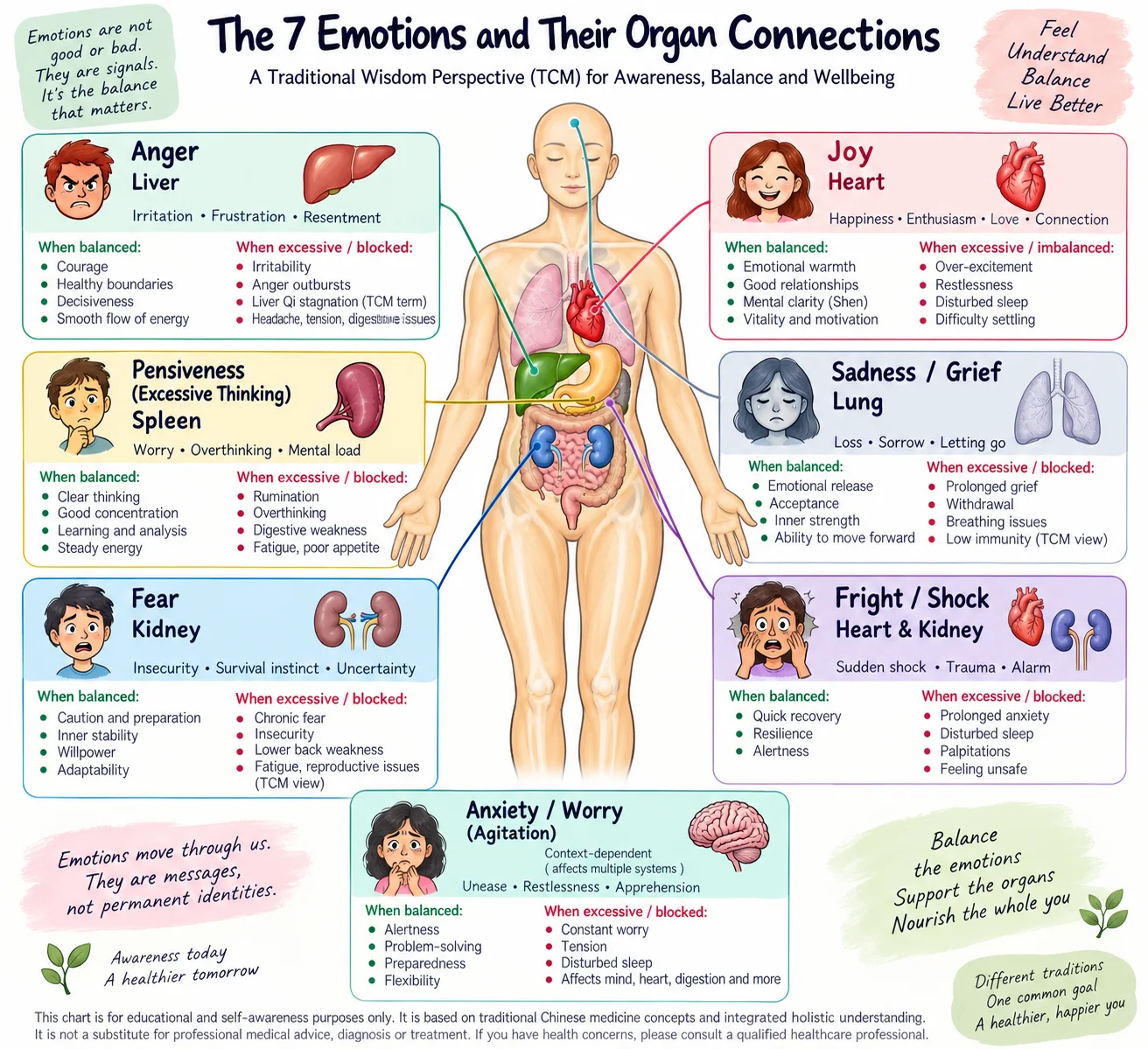
The Seven Emotions Living Inside You, and What They Are Trying to Tell You: Part 1
Sep 9, 2026
0 Comments
Share your thoughts. Comments are reviewed before appearing.
Leave a Comment